

Supportive and medical care
Smaller stones may pass with hydration, pain control and carefully selected medications under monitoring.
Urologist & Andrologist · Hyderabad
Dr. Aman Chandra Deshpande provides evaluation and treatment for urinary tract calculi — kidney stones, ureteric stones and bladder stones — in Hyderabad.
Trusted By
15k+ Happy Patients
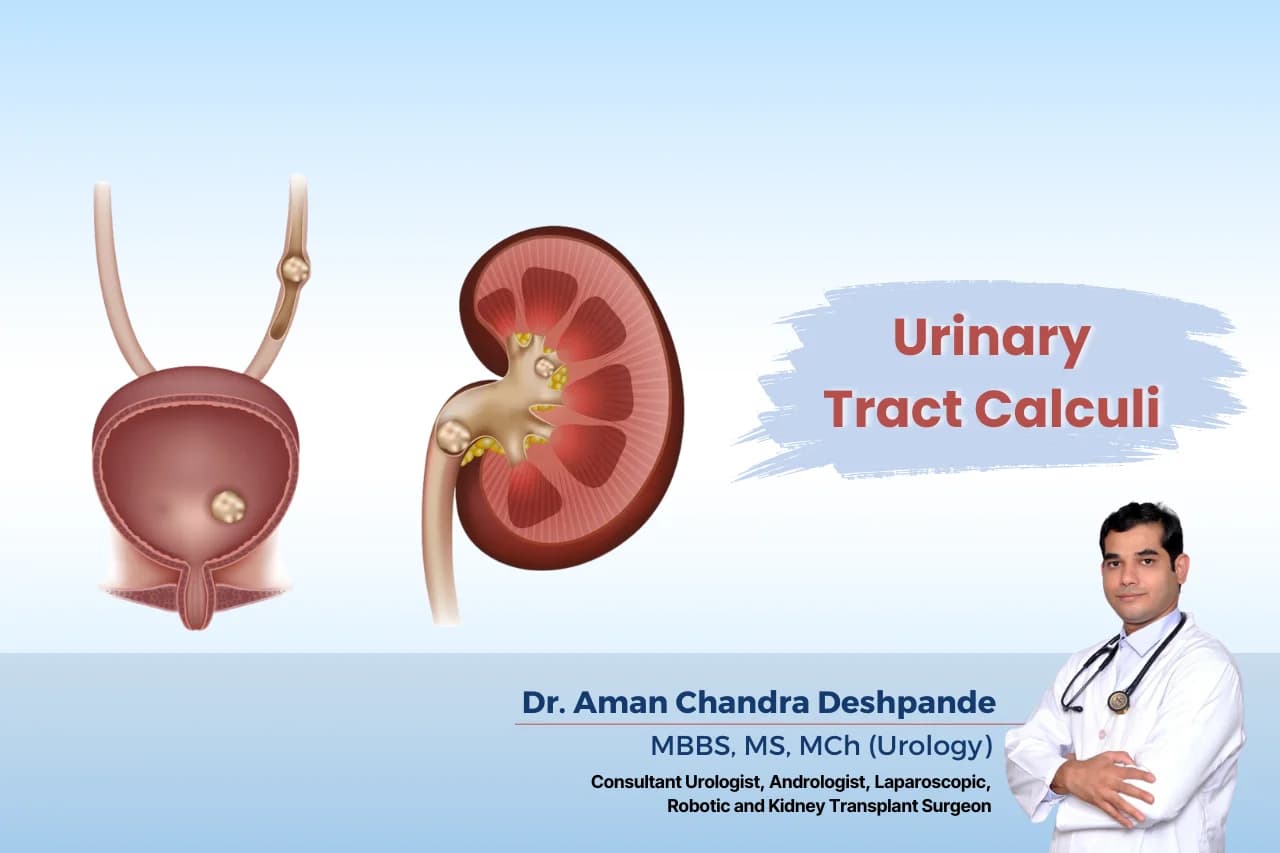
Urinary Tract Calculi
Evaluation & treatment in Hyderabad
Kidney, ureteric & bladder stone care
RIRS, Mini PCNL, ESWL & URSL options
Imaging-led treatment planning
Prevention counselling after clearance
About this condition
Urinary tract calculi are hard mineral deposits that form in the kidneys, ureters or bladder. Stones can cause pain, bleeding, infection or blockage of urine flow.
If untreated, obstructing stones may contribute to kidney injury. Care begins with clinical evaluation and imaging to understand stone burden and decide the safest approach.
Modern stone care emphasises kidney safety, symptom control and choosing the least invasive effective method for each stone burden.
Recognise early
These signs do not confirm a diagnosis on their own — they help decide when specialist review is useful.
Understanding risk
Evaluation
Tests are selected based on symptoms and clinical need — not every patient needs every investigation.
Clinical history and examination
Urine tests and blood tests where indicated
Imaging such as ultrasound or CT as clinically appropriate
Stone analysis and metabolic evaluation after clearance when recurrence risk is high
Care options
Treatment is individualised after evaluation. Suitability depends on findings, overall health and your goals.
Smaller stones may pass with hydration, pain control and carefully selected medications under monitoring.
Procedures such as RIRS and URSL can fragment and remove stones through natural urinary pathways when clinically indicated.
Mini PCNL or laparoscopic approaches may be considered for larger or complex stones after individual assessment.
Hydration advice, dietary guidance and metabolic work-up may help reduce recurrence depending on stone type.
Procedures
These procedures may be discussed when clinically indicated. Not every option applies to every patient.
Retrograde Intrarenal Surgery uses a flexible scope and laser energy to treat stones within the kidney through the urinary tract.
A minimally invasive percutaneous approach to remove larger kidney stones through a small tract in the flank.
Extracorporeal Shock Wave Lithotripsy uses focused shock waves to break selected stones without an incision.
Ureterorenoscopic Lithotripsy treats ureteric stones using an endoscope passed through the urethra and bladder.
Selected complex stones may be addressed with laparoscopic techniques when endoscopic options are less suitable.
Bladder stones can be fragmented and cleared endoscopically, often with laser or other energy sources.
Your path
A typical pathway from first consult to follow-up — adapted to your clinical needs.
Symptom history, examination and review of prior scans or stone episodes.
Ultrasound, CT or labs as needed to map stone size, location and infection risk.
Observation, medicines or a procedure chosen for safety and stone clearance.
Follow-up, hydration guidance and metabolic advice when recurrence risk is high.
Before you visit
Aftercare
Mild discomfort, blood-tinged urine or temporary frequency can occur after endoscopic stone procedures.
Drink fluids as advised and contact the clinic for fever, severe pain or inability to pass urine.
Stent-related symptoms, if a stent is placed, usually settle after removal as scheduled.
Seek care
Why patients choose us
Patient questions
Common questions patients ask before choosing evaluation or treatment.
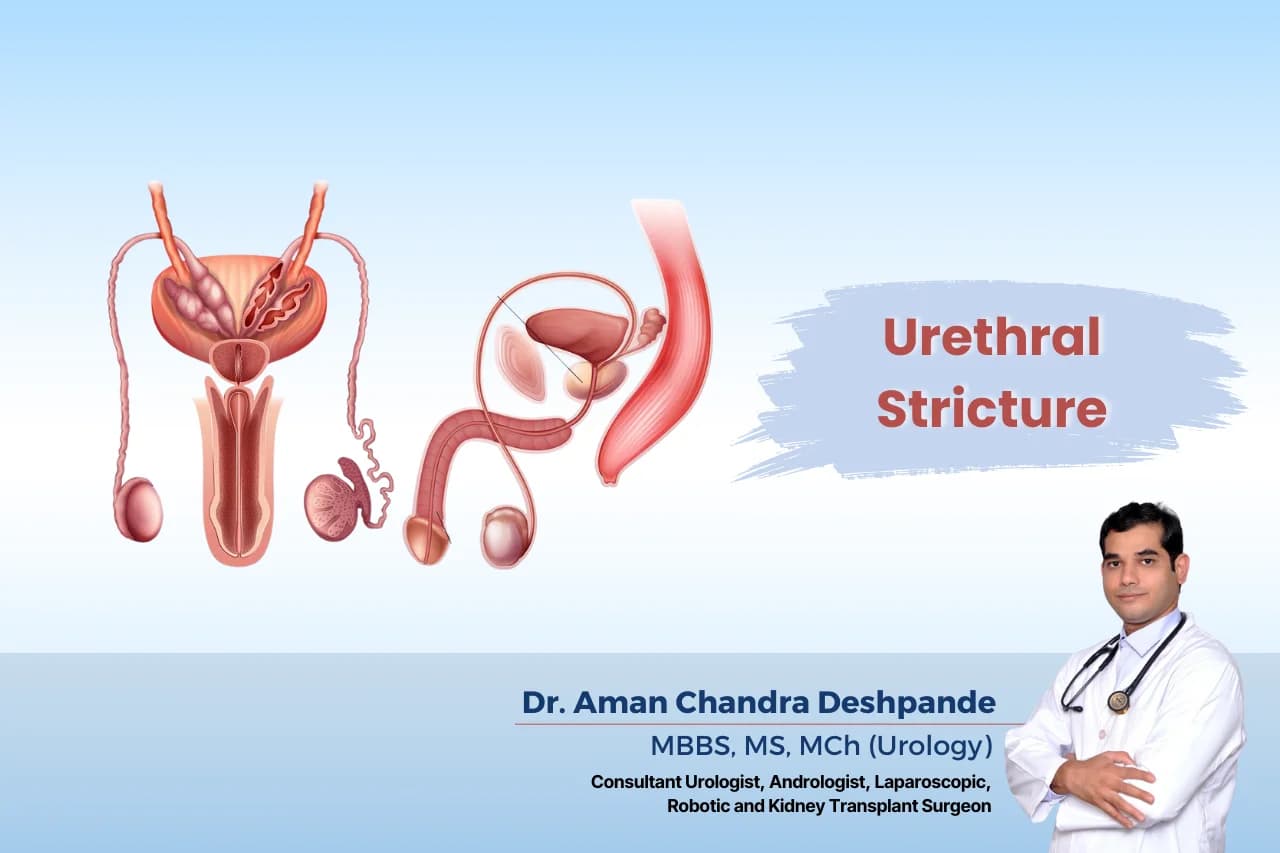
Surgical correction of narrowed urethra to restore normal urine flow.
View service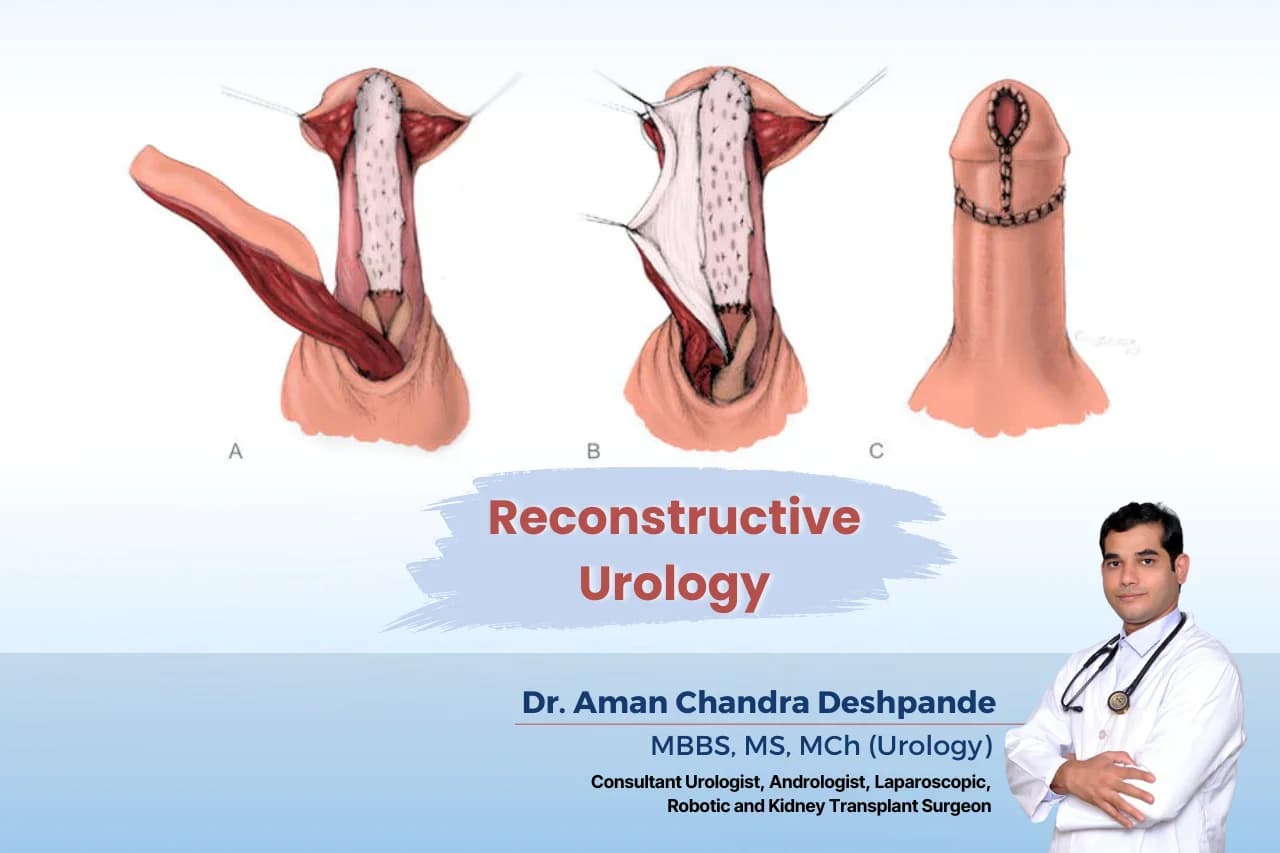
Surgical restoration of the urinary tract after injury or congenital issues.
View service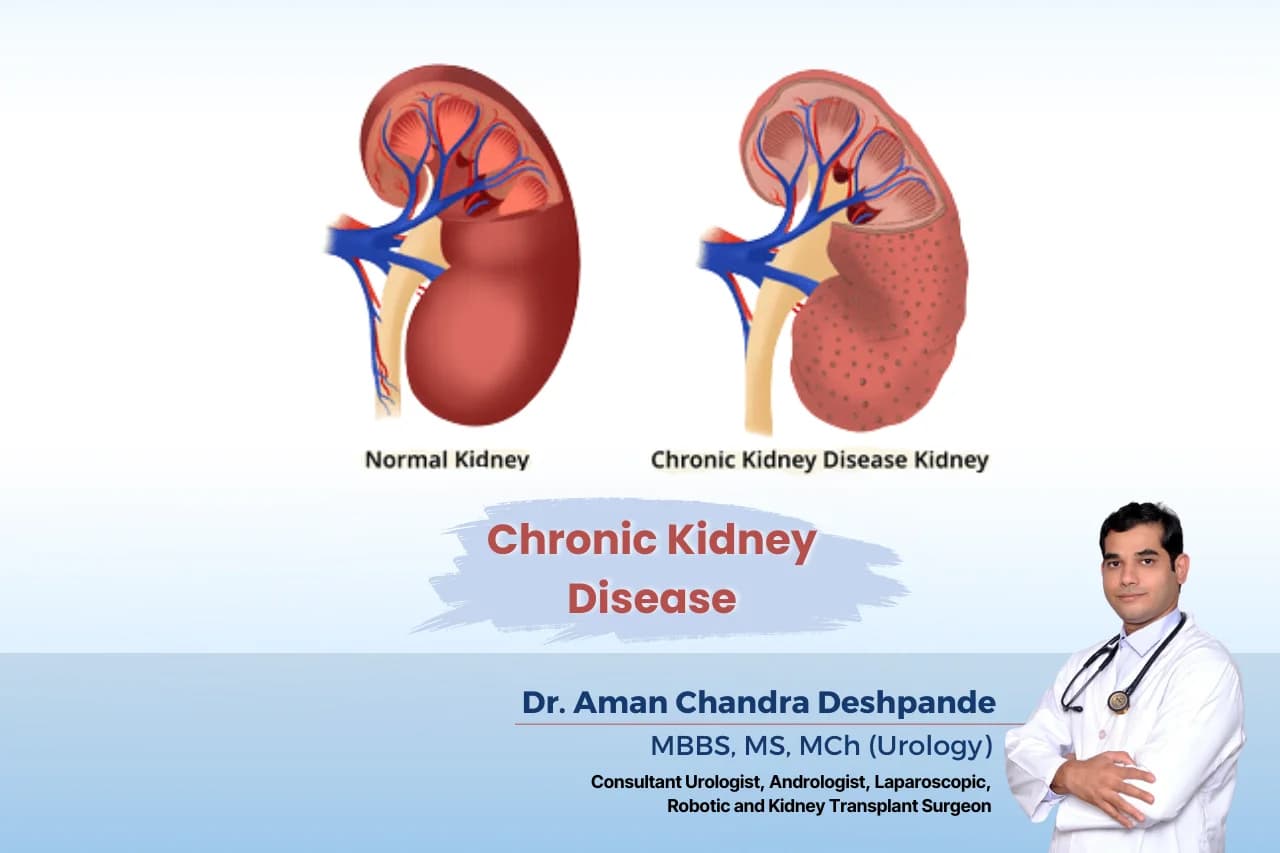
Management of kidney disease to slow progression and improve quality of life.
View service