


Medical management of BPH
Medicines may improve symptoms for many men. Choice depends on prostate size, symptom severity and side-effect profile.
Urologist & Andrologist · Hyderabad
Dr. Aman Chandra Deshpande provides evaluation and treatment for prostate problems in Hyderabad, including Benign Prostatic Hyperplasia (BPH) and prostate cancer assessment.
Trusted By
15k+ Happy Patients
Prostate Problems
Evaluation & treatment in Hyderabad
BPH, prostatitis & cancer pathways
Medicines before surgery when suitable
Bipolar TURP & laser options
PSA and biopsy when indicated
About this condition
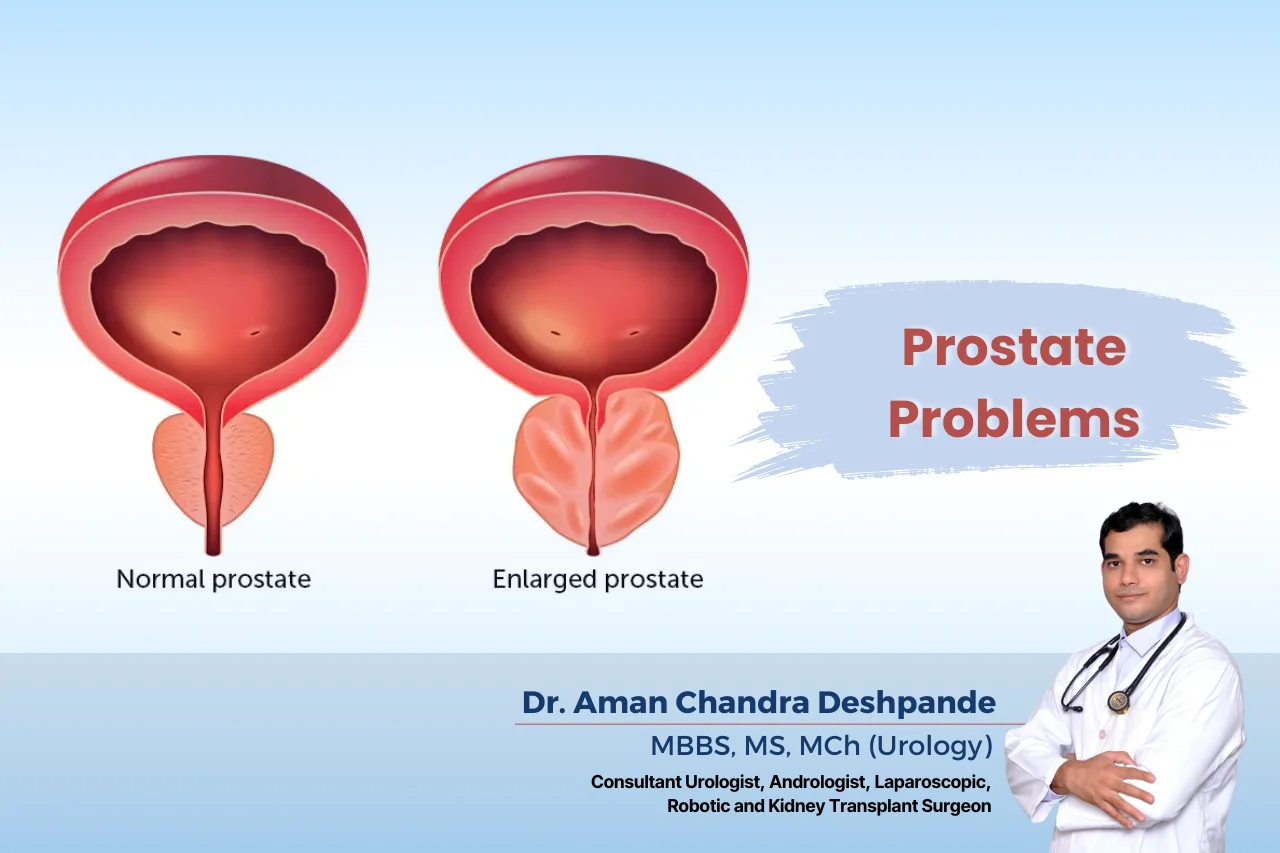
The prostate can enlarge with age (BPH), become inflamed, or, less commonly, develop cancer. Enlargement may press on the urethra and disturb urine flow.
Symptoms overlap across conditions, so assessment is needed before assuming a diagnosis. Prostate cancer evaluation may include examination, PSA testing and biopsy when indicated.
Good prostate care balances quality of life with safety: medicines help many men, while surgery is reserved for persistent obstruction or complications.
Recognise early
These signs do not confirm a diagnosis on their own — they help decide when specialist review is useful.
Understanding risk
Evaluation
Tests are selected based on symptoms and clinical need — not every patient needs every investigation.
Symptom scoring and clinical examination
Urine tests and ultrasound where helpful
PSA blood testing in appropriate candidates
TRUS-guided prostate biopsy when cancer is suspected
Care options
Treatment is individualised after evaluation. Suitability depends on findings, overall health and your goals.
Medicines may improve symptoms for many men. Choice depends on prostate size, symptom severity and side-effect profile.
When medicines are insufficient, bipolar TURP or laser prostatectomy may be discussed to remove obstructing tissue.
Suspected cancer is evaluated carefully. Treatment planning depends on stage, grade and overall health — surgery is one of several options discussed after diagnosis.
Procedures
These procedures may be discussed when clinically indicated. Not every option applies to every patient.
Transurethral resection removes excess prostate tissue through the urethra to improve flow in selected BPH patients.
Laser energy removes or vaporizes obstructing prostate tissue with a minimally invasive endoscopic approach.
Ultrasound-guided sampling helps confirm or exclude prostate cancer when clinically indicated.
For suitable prostate cancer cases, prostate removal may be performed with robotic or laparoscopic techniques after multidisciplinary consideration.
Your path
A typical pathway from first consult to follow-up — adapted to your clinical needs.
Urinary frequency, night voids, stream strength and complications are assessed.
Exam, urine tests, ultrasound and PSA when clinically appropriate.
Medicines first for many men; TURP or laser if obstruction persists.
Biopsy and staged counselling when cancer is suspected or confirmed.
Before you visit
Aftercare
After TURP or laser prostatectomy, burning, frequency and mild bleeding can last days to weeks.
Avoid heavy lifting as advised and keep fluids adequate unless restricted for other illness.
Seek urgent care for inability to void, heavy clots or fever.
Seek care
Why patients choose us
Patient questions
Common questions patients ask before choosing evaluation or treatment.
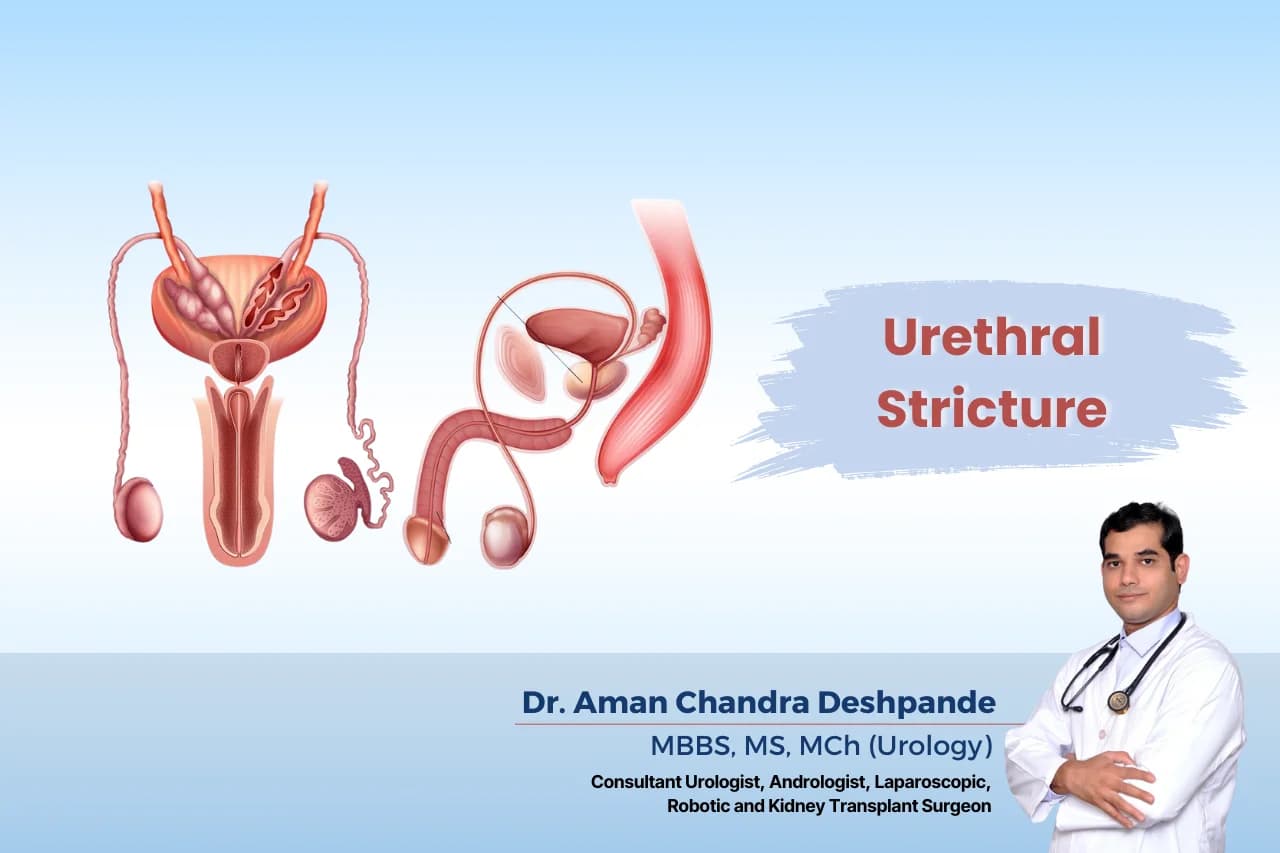
Surgical correction of narrowed urethra to restore normal urine flow.
View service
Treatment for male reproductive and sexual health issues like erectile dysfunction and infertility.
View service
Diagnosis and treatment of urinary system cancers, including bladder and kidney.
View service